How We Tested Free AI Teaching Apps With Real Toddlers and Preschoolers at Home
Real testing at home reveals whether AI apps actually teach your child or just keep them engaged.

The best free AI teaching app for a young child is one that responds to the child’s actual attempts, changes its teaching when needed, and shows which skills are improving. Home testing separates that instruction from a stream of games and rewards. An app that is free to download may teach the child or keep its useful lessons behind an upgrade.
Why most AI teaching apps for young children fail the real-world test
Your child likes the app, keeps tapping, and wants another turn. But is any of it working? That uncertainty is reasonable, because the easiest things to see are not the strongest evidence of learning. A streak shows that the child keeps using the app, and a cheerful animation shows that the app gave a reward. Neither tells you whether your child can now blend sounds or count objects more confidently.
The problem starts with the language on the download page. “AI-powered,” “adaptive,” and “personalized” can describe little more than a preset queue that serves the next item after a correct or incorrect tap. Most apps sold this way show content without changing how they teach in response to the child. An app that marks an answer wrong and moves on has recorded a result, but it has not helped the child understand what went wrong.
That gives parents a more useful standard than popularity or enthusiasm. Parents can check whether the app uses the child’s response to decide what help comes next.
What genuine teaching of early reading and math actually requires
The Science of Reading brings together decades of evidence from cognitive science, linguistics, and education about how children learn to read. Its starting point is that children need explicit teaching about how written code represents spoken language. Exposure to words is not the same as instruction in how to read them.
Five components work together, namely phonemic awareness, phonics, fluency, vocabulary, and comprehension. Phonemic awareness means hearing and working with each sound, while phonics links sounds to letters and letter patterns. These skills reinforce each other when taught together. Decoding then becomes the bridge from print to spoken words. As decoding becomes more automatic, the child spends less effort on each word and has more attention available for vocabulary and meaning.
Children make greater gains in reading when teaching focuses on one or two phonemic awareness skills than when it covers many at once. Depth beats a busy menu of activities. For an app, that means finding the child’s current skill level, teaching the next useful step, and checking whether the instruction worked.
Early math also needs to build numeracy step by step, with fact drills that fit together. Counting a set of objects away from the screen offers a concrete test of whether a practiced skill is usable. In both subjects, the standard is what the child can do.
How to set up a home test that reveals what apps actually do
Parents do not need a research degree. The practical approach is to use the same app over two or three separate sessions and note what happens after success, mistakes, and repeated difficulty.
The sessions should include different states of readiness, such as a fresh, cooperative child and a tired or resistant one. The aim is to see whether the app changes its approach when the child’s responses change. When answers keep coming easily, the app should take a different path than when the child keeps making mistakes, and a child who stays stuck needs more than the same question again.
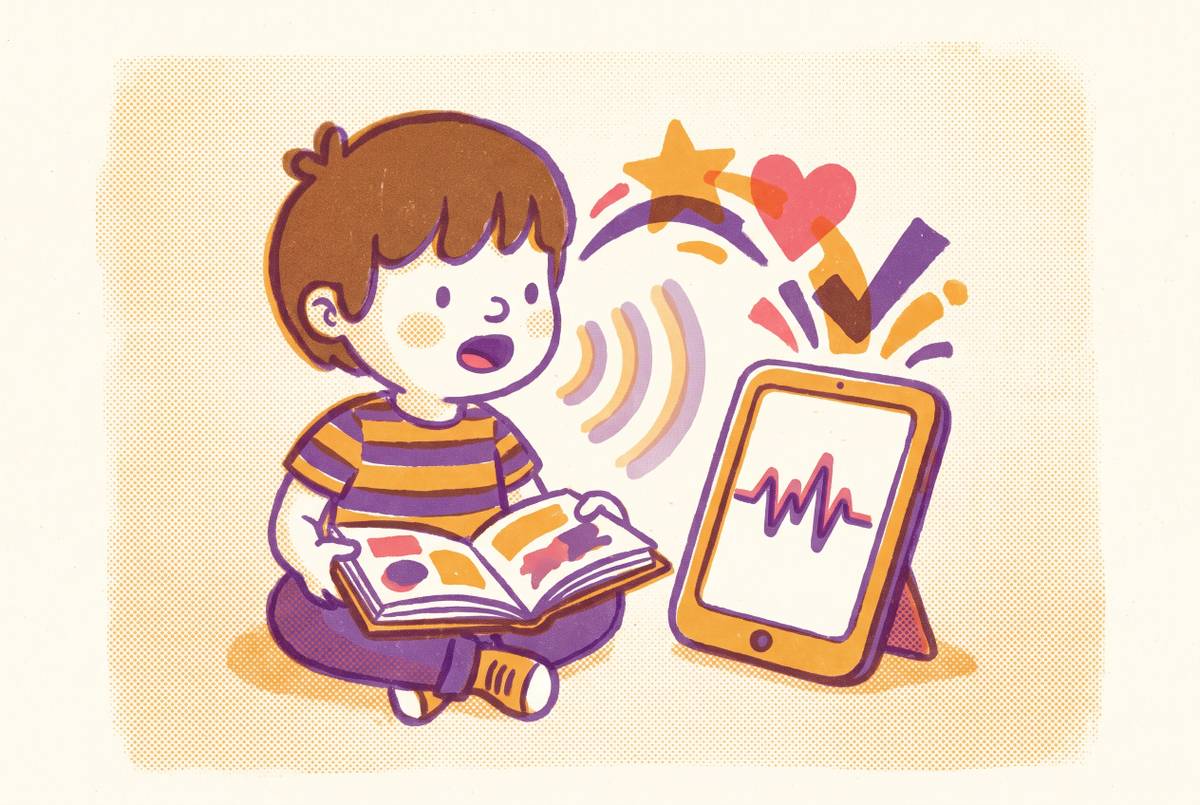
One simple listening check is to cover the screen and hear what follows the child’s response. Does the app say anything specific to what the child just said or did? Generic praise and sound effects do not establish that it heard the attempt. Parents can also check the report for what the child has learned and still needs help with, which tells them more than how many minutes the child spent.
Age also shapes the test. A 4-year-old and a 7-year-old will find the same lesson different, so what parents expect must fit the child using it. Success within one narrow age band does not establish broad adaptability.
What a passive app looks like in practice — and why it still hooks children
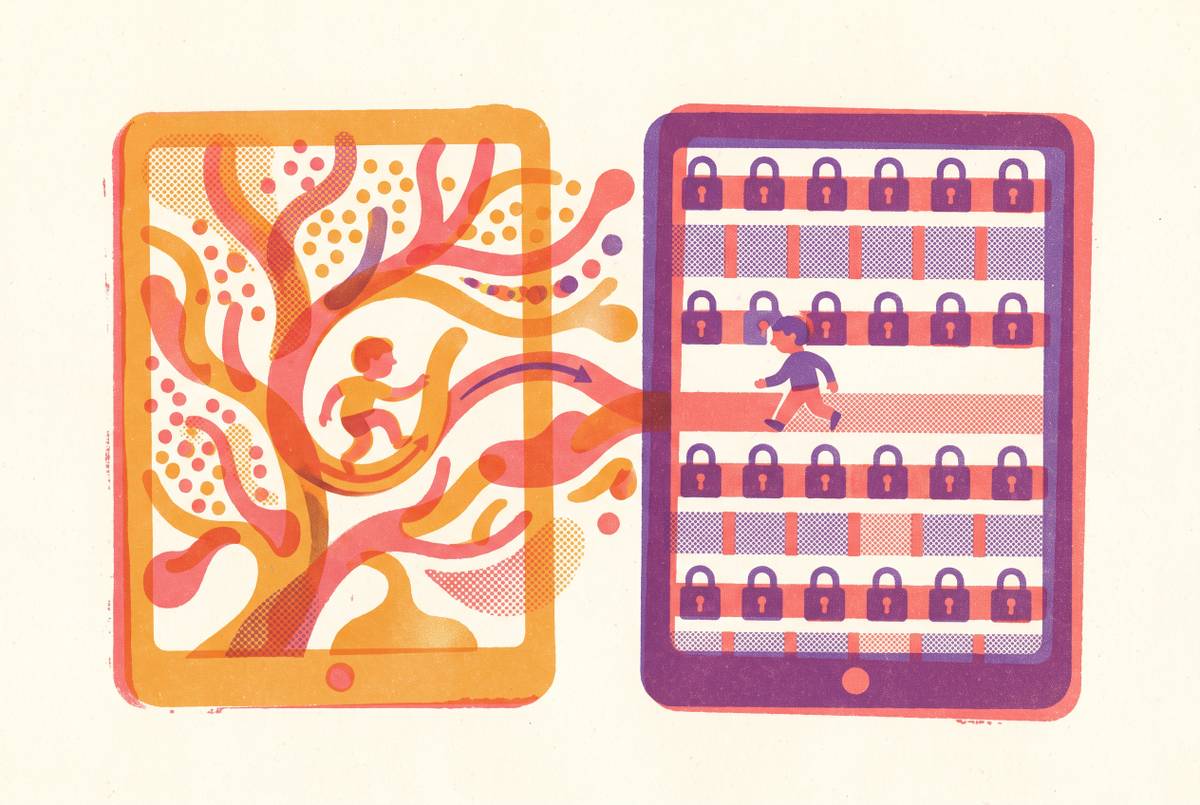
Bright animations and sound effects may follow a tap whether the answer was right or wrong, while badges and unlockable characters reward repetition. The child has a reason to continue. Yet the content can keep moving at a fixed pace without addressing an error or noticing that a skill is already secure.
The parent view can conceal that gap. A report full of minutes, streaks, and completed activities looks substantial, but it describes participation. If the child never speaks and only chooses among answers, the app also lacks direct evidence of how the child produces the sounds in a word. A correct choice can come from elimination.
Children are not doing anything wrong by enjoying this. A star feels good, and young children do not reliably distinguish the pleasure of a reward from the satisfaction of learning. Engagement is useful, but it needs a purpose. Being happier than during a workbook session does not, by itself, show that an app is building reading or math skills.
The lesson for parents is to look beyond the screen without turning the test into a fight. Ask the child to try something the app has taught, such as blending sounds or counting objects. If the skill does not transfer, successful teaching by the app remains unproven.
What a genuinely adaptive AI teaching app does differently, step by step
A genuinely adaptive app starts by finding out what the child can do. In reading, that includes hearing an attempt aloud. The response should fit the attempt. When a child struggles with a word, useful feedback identifies the troublesome part and supports another try instead of simply announcing that the answer was incorrect.
Voice recognition for teaching must connect what the child says to the instruction that follows. A parent should be able to hear that connection. If the same “try again” follows every mistake, the app has not shown that it can distinguish one difficulty from another.
When the child keeps getting answers right with ease, the work should get harder, while a child who keeps struggling should get easier work or a different explanation. The parent should not have to redirect every turn. The app should also give less help as the child can do more alone, changing its support as the child learns.
The Zone of Proximal Development names the principle behind that balance. Teaching aims just beyond what the child can do independently, with enough support to make the next step possible. That support is often called scaffolding. On screen, it should mean fewer stretches of pointless repetition and fewer dead ends where the child keeps failing without help.
Across sessions, the app should build on what it has learned about the child’s sounds, troublesome patterns, interests, and ability to sustain focus. Returning should not mean starting from scratch. The parent report should make that continuity visible through specific descriptions such as “she can blend consonant clusters” or “he is working on short-vowel sounds.”
What home testing reveals about children who resist reading or struggle with math
A child who avoids reading may be facing genuine difficulty even when willing to make an effort. The same distinction is useful when math brings resistance. An app that advances regardless of performance can keep presenting difficulty without supplying the missing help. More time with that sequence does not resolve the underlying instructional need.
For these children, the first useful sign is an achievable success. Does the app make the task manageable enough for the child to attempt it, then build toward something harder? Bandura’s self-efficacy principle explains why this can help, because confidence grows through mastery experiences. Praise such as “you sounded that out part by part” also points to a strategy the child can reuse, unlike a bare “correct!”
Repeated frustration calls for a change in teaching. A slower pace, simpler word, or different way of presenting the task can show whether the app responds to the child’s difficulty. For English language learners, it is especially helpful when the app hears and responds to the English they speak. Text and images alone do not reveal the same information about a spoken attempt.
Some difficulties need attention beyond an app. Dyslexia and ADHD can contribute to reading avoidance, while squinting or holding a screen unusually close can signal an eyesight concern. Patterns in spoken responses may provide useful information, but they are not a diagnosis. Home testing and an app’s feedback do not replace professional evaluation when learning difficulties are suspected.
The five questions every parent should ask while watching their child use an AI teaching app
First, check whether the app hears the child. The minimum is a spoken attempt followed by a response specific to what was said. The stronger version identifies which part of a word went wrong and offers targeted help. A microphone icon is not enough on its own.
Second, check whether the content changes because of the child’s last response. Difficulty should rise after repeated success and ease after errors. But a lower level is only part of adaptation. When the child remains stuck, the app should change its explanation or teach a simpler skill that helps the child reach the harder one.
Third, check whether the app remembers what the child knows from one session to the next. It should not restart from the beginning each time. More useful still is a plain-language profile of strengths and gaps that develops over time. That gives parents a way to see whether the next lesson follows from earlier learning.
Fourth, check whether the progress report names learning. What can the child do now, and what comes next? Minutes and streaks cannot answer those questions. A useful report names specific skills, making it possible to distinguish a completed activity from a concept the child has actually grasped.
Fifth, check whether the curriculum follows a clear, research-grounded approach. For reading, that includes systematic phonics, phonemic awareness, decoding, fluency, and comprehension. For math, it means a recognized standard and a progression in numeracy. The app should name its curriculum framework and the experts who built it. Vague claims of AI personalization do not explain what is being taught or why.
What to do after the test — acting on what you observed
If the app meets those standards, use it with a clear purpose in short sessions at regular times. Keep checking as the child’s level changes. An app that responds well at 4 may need another look at 6, because its usefulness depends on the fit between its teaching and the child’s current needs. Passing once is not a permanent endorsement.
If the app falls short but the child loves it, that preference is useful information too. There is no need for an abrupt removal. Notice what holds the child’s interest, then look for an option that combines that appeal with responsive teaching. The goal is not to make learning less enjoyable, but to find out whether the enjoyment supports progress.
Free tiers are a reasonable place to begin. Quality is possible without a large subscription, but the free portion needs real instructional content and adaptive behavior. The same five questions still apply before any money is spent.
Parent visibility remains essential after the choice. If a report shows that the child keeps mixing up similar sounds, a parent can work on those sounds during bedtime reading. Re-test from time to time as skills grow, since a good fit in September may be too easy or too hard by January.
Sources
- What the science of reading tells us about how to teach decoding—including phonics - Teach. Learn. Grow.
- The role of phonics in learning to read: What does recent research say?
- Fostering toddlers’ numeracy and mathematical language skills through a professional development intervention on interaction quality in toddler classrooms - ScienceDirect